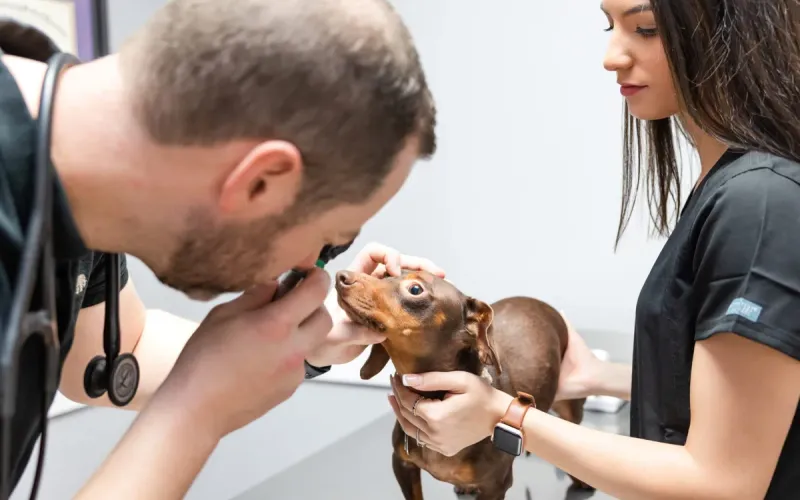


Mar 12, 2026
If you live in Ascension Parish, you know one thing for sure. Mosquitoes are part of life here. They buzz around our yards in July, and they are still out in December. That matters for your pets, because mosquitoes spread heartworm disease. In Louisiana, heartworm season never really ends.
What is heartworm disease?
Heartworms are long, thin worms that live in the heart and lungs of infected animals. A dog gets heartworms from the bite of a single infected mosquito. The larvae enter the skin, then slowly travel to the heart over several months. Adult worms can grow up to a foot long. Over time, they damage the heart, the lungs, and the blood vessels around them.
Dogs are the natural host for heartworms, which means the worms can mature, mate, and multiply inside them. Cats can get heartworms too. Even a few worms can make a cat very sick, and there is no approved treatment for cats. That makes prevention the only real protection for our feline friends.
Why Louisiana pets face a higher risk
Our warm, humid climate is perfect for mosquitoes. In colder states, hard freezes knock the mosquito population down for months at a time. Around Prairieville, Gonzales, and the rest of the Greater Baton Rouge area, mild winters mean mosquitoes stay active almost all year. The bayous, ponds, and drainage ditches that make our area beautiful also give mosquitoes plenty of places to breed.
Because of this, Louisiana is one of the highest risk states in the country for heartworm disease. Our veterinarians diagnose heartworm infections in dogs from all over the area, including pets that rarely leave their own backyard. It only takes one bite.
The good news: prevention is simple
Heartworm disease is serious, but it is also very easy to prevent. Monthly chewable tablets, topical products, and longer-lasting injections are all available. Most dogs think the chewable versions are a treat. Compare that to treatment for an infected dog, which takes months, requires strict rest, and is hard on both the pet and the family budget.
Here is the plan we recommend for pets in our area:
1. Test every year. A quick blood test during your pet's wellness exam tells us if your dog is heartworm free. Testing matters even for dogs on prevention, because a missed or vomited dose can leave a gap in protection.
2. Give prevention every month, all 12 months. Skipping doses in winter is a common mistake in Louisiana. Our mosquitoes do not read the calendar. Year-round prevention closes every gap.
3. Protect cats too. Indoor cats are not safe from mosquitoes. We have all seen a mosquito inside the house. Ask us about safe monthly prevention for your cat.
What if my dog tests positive?
Try not to panic. Heartworm disease can be treated in dogs, and most dogs recover well when the disease is caught early. Our veterinarians will stage the infection with blood work and imaging from our in-house laboratory, then walk you through the treatment plan step by step. The earlier we find heartworms, the better the outcome. That is one more reason yearly testing is so important.
Picking up prevention is easy
Our on-site pharmacy keeps heartworm prevention in stock, so you can pick it up before you leave your appointment. No waiting on the mail and no extra trips across town. If your pet is due for a refill, one quick call is usually all it takes.
Protecting pets here since 1998
Prairieville Animal Hospital has cared for dogs and cats in Prairieville, Gonzales, and the surrounding communities since 1998. Our four LSU-trained veterinarians know exactly what Louisiana pets are up against, because they live here too. Heartworm prevention is one of the simplest and most important things you can do for your pet.
Is your dog or cat due for a heartworm test or a refill on prevention? Call us at (225) 677-5005 or contact us to set up a visit. A few minutes each month can protect your pet's heart for a lifetime.
Tag:
Popular Posts
How Often Does My Dog Need a Wellness Exam?
Puppies, adults, and seniors all need checkups on a different schedule. Here is how often your dog should see the vet, and what happens at each visit.
Apr 9, 2026