

Jun 11, 2026
Bringing home a new puppy or kitten is one of life's best moments. Between picking a name and puppy-proofing the house, there is one big question every new pet parent faces. When should you spay or neuter? The short answer is that it depends on your pet's species, breed, and size. Here is how we help families think it through.
Why spay or neuter at all?
Spaying and neutering do a lot more than prevent surprise litters. For female pets, spaying before the first heat cycle greatly lowers the risk of mammary tumors later in life. It also removes the risk of pyometra, a life-threatening uterine infection that is common in older unspayed dogs. For males, neutering prevents testicular cancer and reduces roaming, marking, and some kinds of aggression.
There is a community benefit too. Animal shelters across Louisiana stay full year after year. Every planned spay or neuter helps keep unwanted litters out of shelters in Ascension Parish and beyond.
Kittens: around five to six months
For most cats, we recommend spaying or neutering around five to six months of age, before the first heat cycle. Cats can go into heat earlier than many owners expect, and an indoor cat in heat will work very hard to get outside. Early timing prevents that stress and delivers the biggest health benefits.
Small and medium dogs: around six months
For small and medium breed dogs, around six months of age is a common and well-supported choice. These dogs finish most of their growth early, so waiting longer offers little added benefit. Spaying before the first heat gives female dogs the strongest protection against mammary tumors.
Large and giant breeds: often 12 to 18 months
Here is where the advice has changed over the years. Large and giant breed dogs, like Labs, German Shepherds, and Great Danes, grow for a longer time. Their sex hormones play a role in bone and joint development. For some large breeds, waiting until 12 to 18 months may lower the risk of certain joint problems.
Because Dr. Lance Hidalgo has a special interest in orthopedics, our team pays close attention to how timing affects growing joints. There is no single right answer for every large dog. Breed, body size, and your home situation all matter. That is exactly the kind of question to bring to a wellness exam, where we can give advice based on your dog, not a generic chart.
What the surgery is like
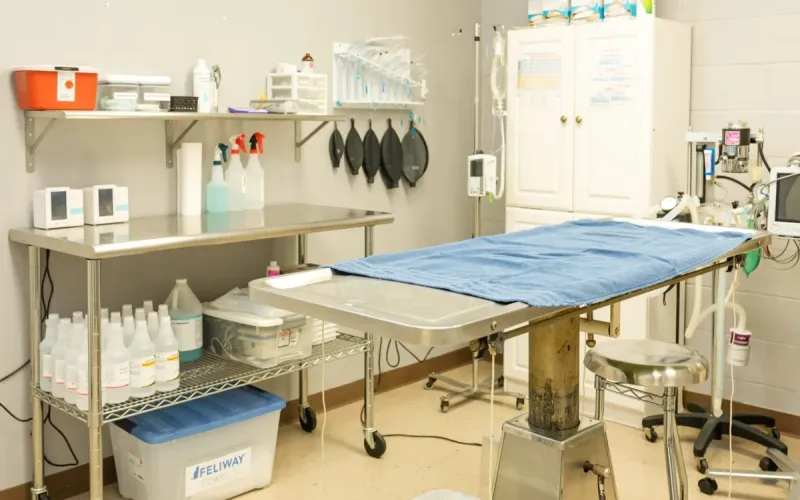
Spays and neuters are the most common procedures in our surgery suite, and we treat every one with full care. Before anesthesia, we run blood work in our in-house laboratory to confirm your pet is a safe candidate. During surgery, we monitor heart rate, breathing, and blood pressure the whole time. Most pets go home the same day.
Recovery is usually quick. Expect about 10 to 14 days of taking it easy, which is often the hardest part for a bouncy puppy. We send every pet home with pain medication and clear instructions, and our spay and neuter team is a phone call away if anything seems off during healing.
Common myths, cleared up
"My pet will get fat." Weight gain comes from calories, not surgery. Adjusting food portions after the procedure keeps pets fit.
"My female dog should have one litter first." There is no health benefit to this, and it delays the protection spaying provides.
"It will change my pet's personality." Your pet's affection and playfulness stay the same. Unwanted behaviors like roaming and marking often improve.
Let's find the right timing for your pet
Families from Gonzales, St. Amant, and all over the Greater Baton Rouge area have trusted our LSU-trained veterinarians with their pets since 1998. If you just added a puppy or kitten to your family, congratulations. Now is the perfect time to plan ahead.
Call Prairieville Animal Hospital at (225) 677-5005 or contact us to talk through the best timing for your new family member.
Tag:
Popular Posts
Heartworm Prevention in Louisiana: Why It Matters All Year
Louisiana mosquitoes never take a season off, and neither should your pet's heartworm prevention. Here is why year-round protection matters in our area.
Mar 12, 2026