

Sep 2, 2026
Does your dog scratch all night? Do you hear licking and chewing from the other room? You are not alone. Itchy skin is one of the most common reasons families bring their dogs to see us. Louisiana's warm, humid weather makes the problem worse, because the things that trigger itching thrive here almost all year long.
The good news is that most itchy dogs can feel a whole lot better. The first step is figuring out what is causing the itch. Here are the three big culprits we see in our area.
Culprit one: fleas
Fleas love Louisiana. Our mild winters mean they never really go away, so a dog can pick up fleas in January just as easily as in July. For many dogs, fleas are more than a nuisance. Some dogs are allergic to flea saliva. For these dogs, even one or two bites can set off days of intense itching, chewing, and hair loss. This is called flea allergy dermatitis, and it is one of the most common skin allergies in dogs.
You may not even see fleas on an allergic dog, because these dogs groom so much that they remove the evidence. Look for chewing and hair loss near the base of the tail, the back legs, and the belly. Year-round flea prevention is the best defense, and our on-site pharmacy keeps trusted products in stock so you can pick them up at your visit.
Culprit two: environmental allergies
Just like people, dogs can be allergic to things in the air and in the yard. Pollen from grasses, trees, and weeds. Mold spores that flourish in our humid climate. Dust mites inside the house. When an allergic dog breathes in or walks through these triggers, the immune system overreacts and the skin pays the price.
This condition is often called atopic dermatitis. In many parts of the country it is seasonal. Around here, our long growing season and damp weather mean some dogs itch for most of the year. Common signs include licking the paws, rubbing the face, scratching the ears and armpits, and recurring ear infections. Red or brown-stained fur on the feet is a classic clue.
Culprit three: food allergies
Food allergies are less common than flea or environmental allergies, but they do happen. Dogs are usually allergic to a protein in the diet, such as chicken or beef, rather than to grains. A food allergy can cause itchy skin, ear infections, and sometimes stomach upset. It can show up at any age, even if your dog has eaten the same food for years.
Diagnosing a food allergy takes patience. It usually involves feeding a special diet for several weeks under a veterinarian's guidance. Store-bought "limited ingredient" foods often are not strict enough to give a clear answer, so it helps to work through the process with your vet.
Signs your dog's itching needs attention
All dogs scratch now and then. Here is when itching moves from normal to a problem worth a visit:
Scratching that interrupts life. If itching wakes your dog up, stops playtime, or keeps the whole family up at night, it is time to get help.
Hair loss, redness, or scabs. Bald patches, hot spots, and raw or crusty skin mean the itch has crossed into skin damage.
Constant paw licking or head shaking. These are easy to miss as allergy signs, but they often are.
Repeated ear infections. Ears that need treatment again and again usually point to an underlying allergy.
A strange odor or greasy coat. Damaged skin invites yeast and bacteria, which cause secondary infections that make the itch even worse.
How we help itchy dogs feel better
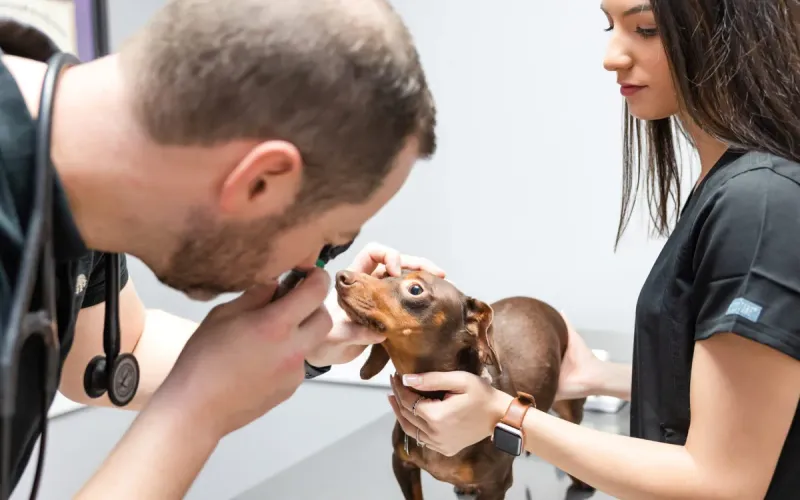
Our dermatology service starts with a careful exam and a conversation about your dog's history. We look at where the itch is, when it started, and what has been tried. Simple tests, like skin cytology or a flea comb check, often reveal a lot. Skin problems are also a special interest of Dr. Lance Hidalgo, our founder, who has been treating itchy Louisiana pets for decades.
Treatment depends on the cause, and it usually combines a few things. Strict flea control for every pet in the home. Medications that calm the itch and give the skin a chance to heal. Treatment for any secondary skin or ear infections. Medicated shampoos or wipes. For food allergies, a carefully managed diet trial. Many dogs with environmental allergies do best with a long-term plan, because allergies are managed rather than cured. The goal is a comfortable dog and far fewer flare-ups.
Relief starts with a phone call
Itchy skin rarely gets better on its own, and waiting often means more damage to treat later. If your dog is scratching, licking, or losing hair, we would love to help. Families throughout Prairieville and the surrounding communities have trusted us with their pets' care since 1998. A skin problem we catch early is easier on your dog and on your budget, and a regular wellness exam is a great time to bring up any itching you have noticed.
Call us at (225) 677-5005 or contact us to schedule a visit. Your dog deserves to feel comfortable in his own skin again.
Tag:
Popular Posts
Fleas and Ticks in Louisiana: Why Prevention Is Year-Round
Louisiana's warm Gulf South climate keeps fleas and ticks active all year. Learn how to protect your dog or cat, or call us at (225) 677-5005.
Sep 2, 2026